How Dogs Stay Cool: The Science Behind Heat, Panting, and Summer Safety
How Dogs Stay Cool: The Science Behind Heat, Panting, and Summer Safety
As much of the United States experiences another summer of record-breaking temperatures, veterinarians are reminding pet owners that heat affects animals very differently than it affects us. While we may reach for a cold drink or rely on sweating to cool down, our pets have evolved entirely different ways to regulate their body temperature—and those systems have limits.
Fortunately, understanding a little of the science behind thermoregulation can help us recognize when our companions need extra protection. Heat-related illness is one of the most preventable veterinary emergencies, and a few informed decisions can make all the difference.
Every Animal Has an Internal Thermostat
Like humans, dogs and cats maintain a remarkably stable internal body temperature through a process called thermoregulation. At the center of this system is the hypothalamus, a small region of the brain that acts as the body's thermostat. It constantly monitors core temperature and coordinates responses that either conserve heat or release it.
A healthy dog's normal body temperature ranges from approximately 101–102.5°F (38.3–39.2°C), while cats typically range from 100.5–102.5°F (38.1–39.2°C). Even a rise of only a few degrees above normal can place tremendous stress on cells and organs.
Throughout the day, an animal's body continuously produces heat through normal metabolism, digestion, muscle activity, and exercise. To remain healthy, that heat must be released into the surrounding environment at roughly the same rate it is produced.
When environmental temperatures approach—or exceed—body temperature, that balance becomes increasingly difficult to maintain.
Why Dogs Don't Sweat Like We Do
Perhaps the biggest misconception about dogs is that they cool themselves by sweating.
Humans possess millions of eccrine sweat glands distributed across nearly the entire body. As sweat evaporates from the skin, it removes heat extremely efficiently. This ability allows people to remain active even in warm environments.
Dogs, however, have very few functional eccrine sweat glands. Those they do possess are found primarily in their paw pads, where they contribute only minimally to cooling. The majority of canine skin contains apocrine glands, which are associated with scent production rather than temperature regulation.
Because dogs cannot depend on sweating, they rely on an entirely different cooling strategy.
Panting: Nature's Air Conditioner
Panting is far more sophisticated than simply breathing faster.
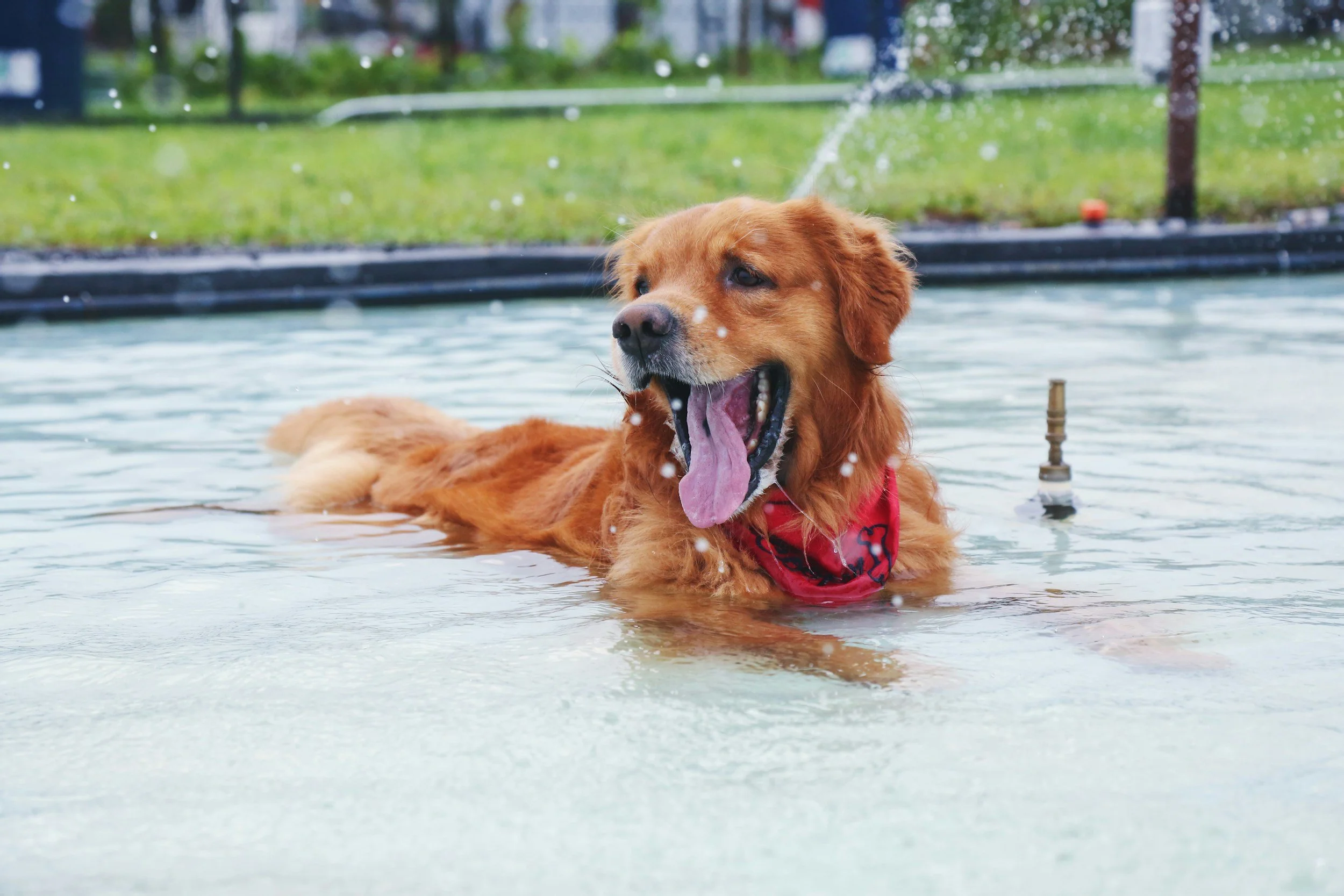
When a dog pants, rapid, shallow breaths move large volumes of air across the moist surfaces of the tongue, mouth, nasal passages, and upper respiratory tract. Water evaporates from these tissues, carrying heat away in much the same way sweat evaporates from human skin.
Beneath these moist tissues lies an extensive network of blood vessels. As evaporation cools the blood flowing through them, that cooler blood circulates back through the body, helping reduce core temperature.
This process is remarkably efficient—but only under the right conditions.
Humidity dramatically decreases evaporation. When the air is already saturated with moisture, less water can evaporate from the respiratory tract, making panting significantly less effective. This is one reason why hot, humid summer days can be especially dangerous, even when temperatures are lower than in drier climates.
Some Pets Face Greater Challenges
Not every animal has the same ability to dissipate heat.
Flat-faced, or brachycephalic, breeds such as Bulldogs, Pugs, Boston Terriers, and Persian cats have shortened airways that restrict airflow. Because panting depends on moving air across moist tissues, these breeds have a reduced ability to cool themselves and are at much higher risk of overheating.
Older pets, puppies and kittens, overweight animals, and those with heart or lung disease also have diminished heat tolerance.
Thick-coated breeds often receive attention during the summer months, but their coats can actually provide insulation from external heat. Shaving these breeds is not always beneficial and may reduce natural protection from sunlight. Grooming decisions should be discussed with a veterinarian based on the individual animal and coat type.
When the Cooling System Begins to Fail
Heat-related illness develops along a spectrum.
Initially, an animal may simply experience heat stress, with increased panting, thirst, and a desire to seek shade. As body temperature continues to rise, the condition progresses toward heat exhaustion and eventually heatstroke.
Once core body temperature climbs above approximately 104–106°F (40–41°C), normal cellular function begins to deteriorate.
Proteins lose their normal structure, inflammatory chemicals flood the bloodstream, the intestinal barrier becomes more permeable, dehydration worsens, and blood clotting abnormalities may develop. Left untreated, heatstroke can rapidly lead to damage of the brain, kidneys, liver, lungs, and heart.
Heatstroke is a true medical emergency requiring immediate veterinary care.
Heat Affects More Than Dogs
While dogs receive much of the attention during heat waves, many other companion animals are equally vulnerable.
Cats generally tolerate warm environments well but have limited cooling mechanisms and rarely pant unless experiencing significant stress or illness. Because cats often hide signs of discomfort, subtle behavioral changes—such as seeking cool tile floors, decreased activity, or reduced appetite—may be early indicators that they are becoming overheated.
Rabbits are especially sensitive to high temperatures. Unlike dogs, they cannot pant efficiently and instead rely heavily on blood vessels within their large ears to release heat. Temperatures above 85°F (29°C) can become dangerous, particularly when humidity is high.
Birds cool themselves primarily through respiratory evaporation and by holding their wings away from their bodies to increase airflow. Small mammals, including guinea pigs and hamsters, are also highly susceptible to heat stress because of their high metabolic rates and limited ability to regulate body temperature.
Working With Nature Instead of Against It
Understanding how animals regulate heat helps us support those natural processes.
Fresh water replaces fluid lost through evaporation. Shade reduces the amount of heat absorbed from direct sunlight. Air movement from fans or breezes improves evaporative cooling. Exercise during the cooler morning and evening hours reduces metabolic heat production. Avoiding hot pavement protects sensitive paw pads while limiting additional heat absorbed through the feet.
Perhaps most importantly, pets should never be left unattended inside parked vehicles. Even on days that feel only moderately warm, interior temperatures can climb rapidly to life-threatening levels.
A Little Knowledge Can Save a Life
Animals have evolved extraordinary ways to regulate their body temperature, but those adaptations were never designed for prolonged exposure to today's extreme heat.
As climate scientists continue to document longer, more frequent, and more intense heat waves, understanding the biology behind thermoregulation becomes increasingly important for every pet owner.
The encouraging news is that heat-related illness is largely preventable. By recognizing how our pets naturally cool themselves—and by understanding the limits of those systems—we can make simple, thoughtful decisions that keep them safe, comfortable, and healthy all summer long.
The next time you hear your dog panting after a walk or see your cat stretching out on a cool floor, you'll know you're witnessing remarkable physiology at work. With a little awareness and a little preparation, we can help every pet weather the hottest days of the year safely.