A Dog-Safe Guide to Thanksgiving: What’s OK to Share and What to Avoid
A Dog-Safe Guide to Thanksgiving: What’s OK to Share and What to Avoid
Thanksgiving is a holiday centered around food, family, and gratitude — but for our dogs, it can also be a day full of temptation, new hazards, and digestive surprises. With guests coming and going, counters full of platters, and foods rich in fat, spice, and sugar, it’s easy for pets to get into trouble. The good news: with a little preparation, your dog can safely enjoy the holiday right alongside the family.
Below is a veterinarian-approved guide to help you navigate which Thanksgiving foods are safe to share, which can be offered with caution, and which should stay far away from your dog’s bowl.
Safe Thanksgiving Foods for Dogs (in moderation)
These options are generally safe when served plain, cooked, and without seasonings.
1. Turkey (White Meat Only)
Plain, fully cooked white meat turkey is safe.
Remove skin (too fatty) and bones (splinter risk).
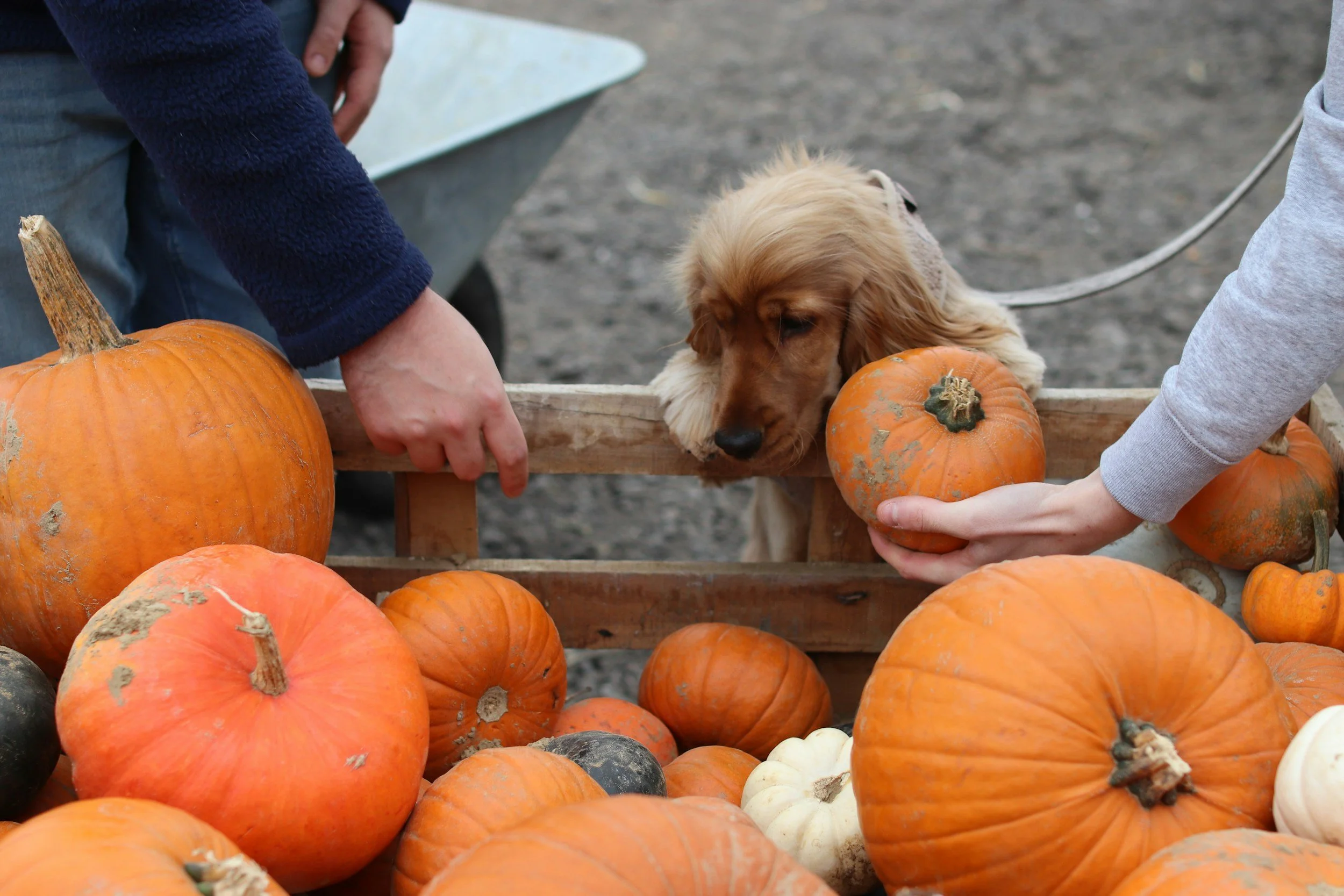
2. Pumpkin (Plain, Not Pie)
Plain canned pumpkin or cooked pumpkin is excellent for digestion.
Avoid pumpkin pie filling — it contains sugar, spices, and often nutmeg (toxic).
3. Green Beans
Steamed or boiled with no butter, salt, or seasonings.
Avoid green bean casserole.
4. Sweet Potatoes
Plain, baked or boiled; rich in vitamins and fiber.
Avoid candied recipes with marshmallows, sugar, or butter.
5. Apples
Fresh apple slices without seeds or the core.
Great crunchy, low-calorie treat.
6. Carrots
Raw or cooked; a safe snack with fiber and vitamins.
7. Cranberries
A few fresh or cooked cranberries are fine.
Avoid canned cranberry sauce due to sugar content.
Foods Dogs Should Only Have With Caution
1. Gravy
High in fat and sodium — can trigger pancreatitis.
Only offer a tiny amount if homemade and very simple.
2. Mashed Potatoes
Only if completely plain.
Most recipes add butter, cream, salt, or garlic — all problematic.
3. Bread or Rolls
Plain bread is not dangerous but offers no nutritional value.
Skip if your dog has grain sensitivities.
4. Cheese
Small nibbles are okay for some dogs.
Avoid if your dog is lactose-sensitive.
Foods Dogs Should Never Eat on Thanksgiving
These foods are toxic, unsafe, or known to cause serious digestive issues.
1. Turkey Skin, Fat, and Drippings
Extremely fatty and can cause pancreatitis — a medical emergency.
2. Cooked Bones
Splinter easily and can cause choking, blockages, or internal damage.
3. Stuffing
Almost always contains onions, garlic, chives, or leeks, all toxic to dogs.
4. Onions and Garlic
In any form (powdered, cooked, raw).
Can cause hemolytic anemia.
5. Desserts (Especially Chocolate)
High sugar, spices, artificial sweeteners.
Xylitol, often found in sugar-free desserts, is extremely dangerous.
6. Grapes and Raisins
Even tiny amounts can cause kidney failure.
This includes raisin-filled breads, stuffing, and salads.
7. Alcohol
Even small quantities can lead to respiratory failure or seizures.
8. Ham
Too salty and fatty for dogs; can upset the stomach or trigger pancreatitis.
9. Macaroni and Cheese
Too rich, too salty, and often contains garlic or onion powder.
Non-Food Thanksgiving Hazards to Watch
1. Open Doors
Guests coming and going make it easy for dogs to slip outside.
2. Trash Cans
All those turkey bones and food scraps are irresistible — and dangerous.
3. Decorations
Corn cobs, skewers, small décor items, and candles all pose risks.
4. Stress and Overstimulation
Large gatherings can be overwhelming for anxious pets.
Set up a quiet room with a bed, water, and a favorite toy.
Tips for a Safe and Happy Thanksgiving With Your Dog
Keep food plates and trash securely covered.
Ask guests not to feed your dog from the table.
Maintain your pup’s normal feeding schedule.
Offer safe chew treats or frozen Kongs to keep them busy.
Have your vet or nearest emergency clinic info saved just in case.
If You’re Ever Unsure
Call your veterinarian or an emergency pet hospital.
You can also contact ASPCA Animal Poison Control: (888) 426-4435.
Final Thought
Dogs are family, and Thanksgiving is a wonderful time to include them — safely. With a little preparation, your pup can enjoy the holiday treats, the family fun, and maybe even a special bite or two (approved by science and your vet).